Caring for a liked one can be deeply significant and just as tiring. When you are managing medicines, juggling appointments, coaxing cravings back after a health center discharge, or relaxing anxiety at 3 a.m., the calendar quits being a calendar and begins feeling like a treadmill. Respite is not a high-end in that setting. It is a safety and security rail for the caretaker and, by extension, for the individual receiving treatment. The difficulty is finding out which break alternative fits your circumstance without adding more stress and anxiety to the pile.
I have actually collaborated with family members that vouched they "can hold on a little bit much longer," just to end up in the emergency division themselves with breast pain or a loss. I have actually also enjoyed family members utilize short, intended breaks to sustain treatment in your home for several years, rather than months. The difference was seldom regarding money alone. It was about quality of requirement, fit between solution and person, and a strategy that valued 2 people's lives: the caregiver's and the care recipient's.
This overview is a useful, experience-based map to assist https://sites.google.com/codedesign.co/essentialservicesoregon/blog/respite-care-in-idd-support-a-family-lifeline you select the best Respite Care Services. The objective is to prevent trial and error anywhere feasible and to make certain choices faster.
What reprieve treatment really means
Respite treatment merely indicates short-term relief for a primary caregiver. Services can be supplied in your home, in a community setting, or in a residential center. Amount of time range from a few hours to a number of weeks. The most common models consist of at home reprieve, adult day programs, overnight property stays occasionally called short-term stays, and informal setups via buddies or faith areas. Medicaid waivers, veteran benefits, and some lasting treatment insurance intends cover defined forms of break. Lots of families combine 2 or 3 models to match altering needs over time.
The means respite feels matters. A three-hour see from a reputable home health and wellness assistant every Tuesday might be much more corrective than a solitary two-night remain each quarter, relying on your life. Similarly, a person with dementia that comes to be nervous with beginners might flourish in an acquainted grown-up day program where routines are foreseeable and team focus on memory care.
The scenarios that push respite from "at some point" to now
Patterns repeat. If any of these sound acquainted, you likely require reprieve support quicker instead of later:
Two clinical consultations land on the exact same day, and you can not leave your partner alone.
Sleep is down to five hours in pieces, and coffee is doing too much of the heavy lifting.
A sibling states they will "aid when they can," however weeks pass and absolutely nothing changes.
Your liked one was hospitalized, got back deconditioned, and you are securing every transfer like a hawk.
You are canceling your own appointments oral, treatment, primary care because there is no back-up plan.
When daily life strikes this level of fragility, the risk of caregiver fatigue and avoidable medical troubles rises fast. Break offers a barrier so both of you can maintain going.
Types of break care and exactly how they match to needs
There is no solitary best form. Fit depends upon the person's clinical intricacy, cognitive condition, flexibility, communication design, and preferences, in addition to the caretaker's data transfer and schedule.
In-home respite brings a skilled professional or vetted volunteer into the home to give supervision, personal care, meal prep, light housekeeping linked to care jobs, and companionship. This works well when the person is most comfortable in the house, has mobility restrictions, or comes to be troubled by new settings. At home is adaptable, often arranged in 3 to 6 hour blocks, and can scale up throughout acute phases, such as a new wound or after a fall. Limitations include greater per hour cost and the reality that not all agencies have staff educated for intricate mental deterioration behaviors.
Adult day programs run in neighborhood setups. Individuals normally attend 2 to 5 days per week, for 4 to 8 hours daily. Providers might consist of meals, activities, therapies, and nursing oversight for drugs and vitals, depending upon the program. Day programs create structure and social call, which can improve mood and sleep. Transport is usually available within a distance. The fit is best for individuals who tolerate teams and can gain from routine and stimulation. The primary concerns are modification time and the need to intend around program hours.
Short-term domestic break occurs in helped living or proficient nursing facilities where the person can remain over night for a few days to a number of weeks. This choice is helpful throughout caregiver illness, traveling, or significant home repair work, or when the individual requires extra extensive support than you can provide securely. Quality differs extensively. Some facilities run specialized respite beds with staff who recognize short stays; others deal with respite like a squeezed-in admission. Ask blunt concerns regarding staffing proportions and just how they orient short-stay residents.
Informal and volunteer respite can be effective, though it calls for planning. Faith neighborhoods, area teams, and hospital supporting organizations in some cases coordinate skilled volunteers for friendly sees. When reputable and consistent, a volunteer who checks out out loud, plays cards, or sees a favored show with your enjoyed one can offer you a priceless hour for a snooze or walk. Limits matter below: volunteers do not execute experienced care, and not all are comfortable with personal care. Usage informal reprieve as an enhance, not a sole technique, when the care requirements are heavy.
What "excellent" looks like in practice
A great break plan reduces the overall stress in your family, also throughout the learning curve. Three indications you are on the right track: your enjoyed one returns from a day program in a brighter state of mind, tired in an excellent way; you can set up and maintain your own clinical and wellness consultations; and any kind of tiny incidents the initial week shed socks, off-schedule meals are settled quickly with interest to detail. If reprieve introduces more stress than it soothes after 2 to 3 weeks of consistent usage, it is the incorrect fit or the provider requires mentoring or replacement.
Let me share 2 sketches from households I have actually collaborated with. A retired instructor with Parkinson's illness, cognitively sharp but slower with motion, loved grown-up day twice weekly where physical therapy was installed into tasks. His spouse utilized those eight hours to run duties and fulfill a friend for lunch. Loss lowered, mostly because he stayed energetic and she stopped rushing tasks at midnight. Another situation, a lady with mid-stage Alzheimer's that stood up to showering and expanded anxious with complete strangers, did much better with a single at home assistant that came with the exact same time every day. The aide discovered her preferred tracks for showering and stuck to a routine. Any attempt to revolve new personnel established them back, so the firm devoted a constant caregiver. Both family members used reprieve, but the tailored match made the difference.
Cost, funding, and the real mathematics families use
Families intend respite around budget plans that satisfy them where they are. In-home care can range from roughly 25 to 45 dollars per hour via a company in several parts of the United States, higher in big city locations and reduced in country regions. Independent caretakers might charge a bit much less, though you after that become the employer with tax obligation and obligation responsibilities. Adult day programs frequently charge a daily rate, commonly between 60 and 120 dollars, with extra fees for transportation or higher skill care. Residential respite remains can run 150 to 350 bucks per day in assisted living, and higher in skilled nursing facilities. These are broad ranges; phone call in your area for exact numbers.
Insurance coverage relies on the policy. Traditional Medicare does not spend for non-hospice respite except in narrow situations; Medicare Advantage prepares often provide limited supplemental hours. Medicaid waivers commonly money respite for people that meet useful and economic criteria. The Department of Veterans Affairs provides numerous break alternatives with the Caregiver Assistance Program and Homemaker/Home Health and wellness Aide benefits. Lasting care insurance policies vary extensively and might call for removal periods or use of certified companies. State and local programs, Alzheimer's associations, and disease-specific organizations sometimes supply grants or coupons for a set number of hours. Ask especially regarding moving ranges and scholarships at day programs.
The helpful math is not just hourly expense but cost per hour of relief. If a day program provides you 6 constant hours for 90 bucks and replaces 2 hours of at home aid at 35 dollars per hour, you appear ahead financially and emotionally. If your enjoyed one refuses day program engagement after multiple tests, the most cost effective choice theoretically ends up being pricey in power and time.
Safety and high quality: just how to examine companies without guesswork
A slick brochure informs you virtually absolutely nothing. Quality shows up in how service providers manage unpredictability. When you tour or interview, look for indicators that the team is prepared and attentive.
Ask what emergency situations they manage in-house and which need 911. If they claim "we deal with everything," carry on. Severe suppliers will name situations and thresholds.
Watch just how staff address present participants or customers. Do they speak at eye level, use names, and offer selections, or do they talk over individuals's heads?
Check whether they actually track results. Excellent programs will certainly review loss rates, health center transfers, client complete satisfaction, and team retention.
Clarify medicine management. In-home assistants might not be allowed to provide medicines depending upon state law, yet accredited registered nurses can. Day programs typically deal with arranged medications with documentation.
Insist on history checks, training specifics, and guidance framework. Ask how usually a nurse or supervisor observes care and how you will be educated of concerns.
If you are assessing residential reprieve, ask about nighttime staffing patterns, accessibility to a call bell, and how the group prevents straying. Check out shower rooms and dining areas for cleanliness and safety devices. A pristine lobby is less important than a well-maintained shower room.
Matching respite to mental deterioration, movement, and medical complexity
Not all requirements coincide, and nuance matters. For mental deterioration, 2 components drive success: uniformity and sensory tons. People with cognitive disability handle less adjustments at once. Transitioning into a day program works better if you present it gradually, same days and times, with a staff buddy designated. For somebody vulnerable to sundowning, schedule participation for earlier blocks instead of late afternoons, and take into consideration transport with familiar vehicle drivers. In your home, make use of a single respite employee enough time to construct relationship before presenting a 2nd person as a backup.
For flexibility challenges, particularly if transfers require a stride belt, gliding board, or lift, verify that staff are trained which devices is offered and kept. I have seen otherwise solid programs permit faster Respite Care Services in Seaside ways on transfers, and injuries adhere to. If your enjoyed one has stress injury risk, inquire about rearranging schedules and just how team file them.
For clinical complexity, such as oxygen, feeding tubes, or insulin titration, you require licensed nursing support. Some grown-up day wellness programs run under a clinical version with on-site nursing, while social version programs do not. In your home, you may combine a nurse visit for knowledgeable tasks with a home health assistant for personal care. For epilepsy or cardiac problems, provide a written seizure or signs and symptom action plan and see to it the carrier can perform it. If their eyes polish over while you discuss, keep looking.
Building an assistance strategy that you can sustain
The greatest blunder I see is trying to fit break around the sides. It works better to slow right into the week like a repeating visit and let other tasks flow around it. Start with a clear goal. Possibly you need 2 mornings each week to work, or you desire one evening for a course, or you know that a three-day property remain every quarter will maintain you healthy. Pick one and dedicate for four to 6 weeks. Momentum issues; periodic, unpredictable assistance does not create rhythm or relief.
This is where a straightforward strategy repays:
- Decide the key function of reprieve today: sleep, work, social time, clinical appointments, or travel. Rank these if you require to. Choose the layout that best offers that purpose with the least friction: at home, day program, or household, and confirm availability. Schedule consistent blocks for a month. Place them on your schedule and educate other family members so they do not "borrow" your time. Create a concise care short in one page: medical diagnoses, medications, allergic reactions, routines, mobility demands, soothing strategies, and warnings. Hand this to every reprieve provider. After two weeks, examine what is functioning and what is not. Readjust one variable at a time instead of ditching the plan.
That short list appears basic, however implementation is where strength expands. The treatment short, especially, conserves hours of repeating yourself and decreases misunderstandings.
Communication that prevents missteps
Respite works best when you and the carrier share early signals. If your liked one becomes agitated when asked numerous inquiries rapidly, say so in advance. If early mornings are smoother than mid-days, timetable accordingly. Share favored music, sports teams, or subjects that spark rate of interest. The goal is not to script the day, however to provide a roadmap so staff can meet the individual where they are.
On the service provider side, ask them to call, not simply text, if medication refusals, brand-new skin concerns, or falls take place. Settle on thresholds for informing you versus taking care of individually. I have actually seen family members swamped with calls for small concerns, which ruins the objective of break. Establish a communication strategy that appreciates both parties.
Vetting individuals when you work with directly
Some households select to employ caretakers separately. The compromise is reduced hourly expense versus more duty for screening, tax obligations, and back-up insurance coverage. At a minimum, verify identification, run a background check consistent with regional law, confirm work qualification, and call referrals. Framework a paid trial change with you existing yet hands off, observing for safe technique and compassion. Focus on just how the individual reacts when uncertain. Do they request for advice or bluff? The previous is safer.
Put assumptions handwritten: range of tasks, timetable, pay, breaks, transportation policies, infection control, and what to do in an emergency situation. Clarify who supplies handwear covers, lifts, or various other devices. Construct redundancy from the beginning by training a 2nd individual; health problem and life events happen.
The emotional side for caretakers and treatment recipients
Even the very best plan can trigger regret for caregivers and resistance from enjoyed ones. Call that reality. Using respite does not imply you are falling short. It implies you want this plan to last without damaging either of you. When introducing reprieve, frame it as a common advantage. I such as manuscripts that honor self-respect: "I am setting up an assistant so I can keep doing the things only I can do with you. They will certainly handle the dull parts so we can have more time with each other for the excellent stuff."
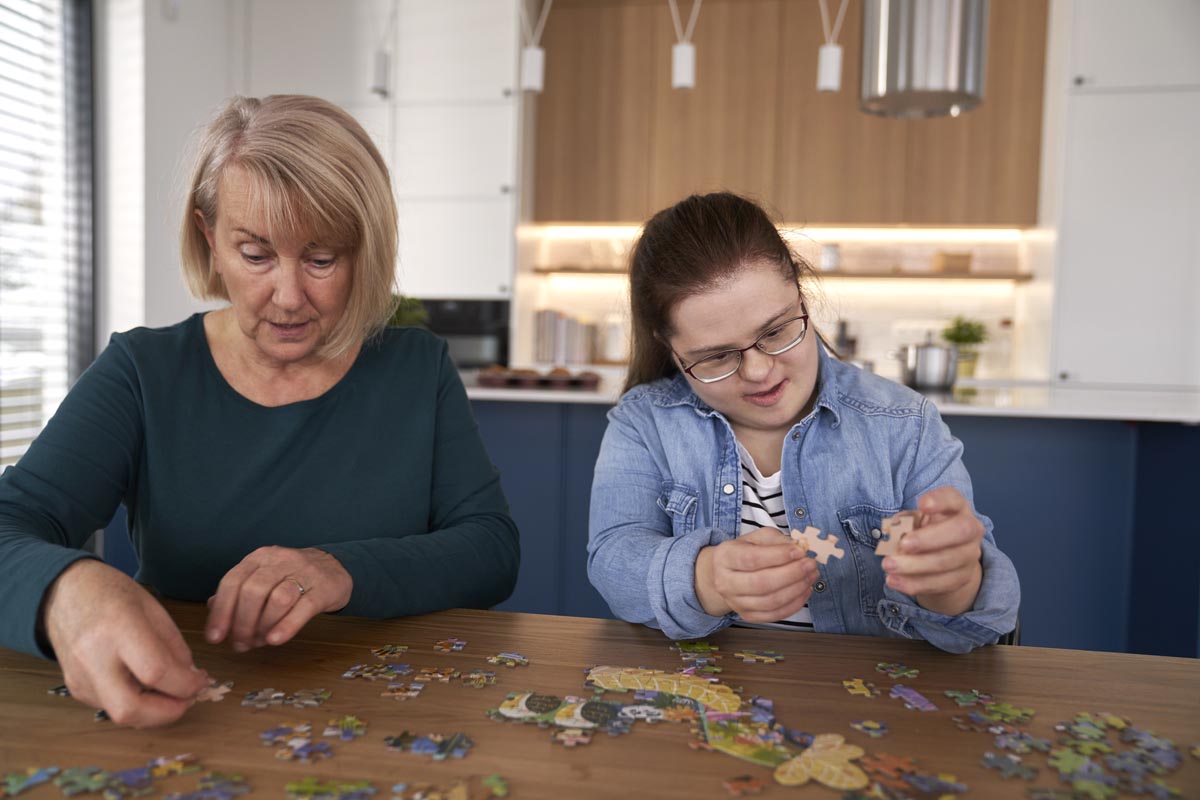
For individuals with cognitive impairment, prevent arguing and provide basic selections that maintain control: "Would certainly you such as to go after morning meal or after your favored show?" For those skeptical of outsiders, begin with quick, foreseeable check outs. Allow the aide fill up a function that feels all-natural, such as walking partner or lunch friend, prior to adding personal treatment tasks.
Caregivers likewise need to make use of the moment for restoring activities, not just jobs. I have actually seen households fill break hours with tasks and still really feel diminished. Try to include one thing that restores you, even if it is a 30-minute snooze or a walk around the block without rushing.
Legal and functional documents worth assembling
Care goes smoother when essential info is accessible. Maintain a duplicate of the medication listing with dosages and times, updated after any hospital or center check out. Store insurance cards, image ID, emergency calls, breakthrough instructions, and code condition where carriers can find them swiftly. If your liked one has a durable power of attorney or health care proxy, provide duplicates to day programs or household facilities. For home setups, blog post emergency numbers and a readable plan near the phone, and listing the nearby healthcare facility and preferred pharmacy.
If wandering is a danger, think about enrollment in programs like MedicAlert or neighborhood computer registry systems that aid initially responders. For people with minimal interaction, a budget card with diagnoses and call numbers can protect against delays in emergencies.
How to take care of waiting listings and shortages
In many areas, demand for Respite Care Services goes beyond supply. Waiting lists for day programs can go for months, and agencies battle to hire assistants. Beginning early if you can. Jump on several listings and remain in courteous, constant call without handing over their radar. Be adaptable concerning start days and hours to capitalize on openings. Consider expanding your search distance slightly if transport can be fixed, or splitting care in between 2 providers.
Meanwhile, check out interim remedies. Some on-line systems promote short changes by certified aides happy to load spaces. Healthcare facility social employees and Area Agencies on Aging typically recognize small, lesser-known programs with capacity. Family conferences can summon functional dedications, such as a brother or sister taking a fixed day each month. The excellent plan rarely appears totally developed, however patchwork can still hold.
When break reveals bigger decisions
Sometimes, break uncovers that the present home treatment setup is no more risk-free or sustainable. If a brief household stay goes significantly better for the person, or if your very own wellness declines in spite of robust support, it may be time to check out longer-term household care. This is not failing. It is adaptation to fact. Use information from respite experiences to direct options: did falls decline, sleep stabilize, mood boost? Did your stress degree decrease below a manageable limit? Paper these monitorings. They assist with family consensus and with specialists advising you.
Resources that in fact help
Not every source will apply where you live, but these pointers can speed the search. Your local Area Agency on Aging is a hub for details about day programs, caregiver gives, and transport. Disease-specific organizations, such as Alzheimer's Association chapters, Parkinson's foundations, ALS organizations, and MS cultures, maintain provider checklists and commonly run support groups where families trade genuine responses. Veterans can call the VA Caretaker Assistance Line to enlist in advantages that consist of respite. Health center instance managers and medical care facilities often maintain shortlists of reliable firms, upgraded by person comments. Request for the personnel that works with complicated treatment or social work.
If you wish to assess carriers quietly, browse through during energetic hours without a main trip. Sit in the entrance hall, listen, and view changes. Call an agency's after-hours line at 7 p.m. and see exactly how they respond, because issues do not keep lender's hours.
Small modifications that multiply the benefit
Several fine-tuning actions enhance the payoff from respite. Maintain regimens around reprieve as stable as possible. As an example, load the same snacks, label clothes, and send out an acquainted sweater to a day program. Keep medicine timing to prevent plunging effects on actions or rest. Debrief briefly with staff after each session to catch small issues early. If your loved one comes home overstimulated, attempt shorter days or quieter task blocks. If under-stimulated, supporter for details team tasks they enjoy.
At home, established a "respite station" with supplies the assistant will certainly require wipes, gloves, toiletries, and a straightforward log for notes. Clear courses for walkers or mobility devices. An added 10 mins of preparation can avoid incidents that make everyone wary.
A word on social fit and language
Care is personal. Cultural assumptions concerning food, discreetness, family roles, and holidays shape just how comfy respite really feels. When feasible, pick carriers that value and can fit those needs. Ask direct questions: can staff prepare halal or vegetarian dishes? Are there women-only showering staff if that matters? Are language-compatible staff available? Programs that address these questions thoughtfully will likely take care of other nuances well.
Red flags that recommend you must stroll away
You may not get excellence, but you do not need to endure danger. Look for constant inexplicable staffing changes, unclear solutions about training, resistance to family input, bad paperwork of medications, or a pattern of small injuries. In-home, be wary if caretakers regularly show up late without notification, use phones excessively throughout changes, or overlook infection-control essentials like handwashing. In centers, count on your nose and eyes. Persistent smells, call lights ringing unanswered, and citizens neglected in corridors indicate systemic problems, not a poor day.
The payoff
The greatest disagreement for respite is not academic. Over years, I have actually seen caregivers maintain their marriages, work, and health and wellness intact due to the fact that they engineered reliable breaks. I have seen people with mental deterioration maintain function longer since they stayed socially engaged and well relaxed. I have actually watched sullen teenagers warm to their grandparents once more when the household lifted out of dilemma setting. These are the silent wins that collect when assistance is right-sized and consistent.
Choosing the appropriate Respite Care Services is not about handing responsibility to strangers. It is about building a team that allows you stay a little girl rather than just a nurse, a partner instead of only a scheduler, a son rather than only a guardrail. Start with a small, durable step. Measure the effect. Adjust with care. With time, that is exactly how families turn a treadmill back into a path.
Business Name: Essential Services Business Address: 536 NE Baker St, McMinnville, OR 97128, United States Business Website: https://esoregon.com/ Business Phone: +15038570074 About Business: Essential Services, established in 2018, is dedicated to providing exceptional intellectual and developmental disability services and support to individuals seeking empowerment and independence. Located conveniently at 536 NE Baker St in McMinnville, Oregon, we strive to create a welcoming and inclusive environment where individuals with disabilities can reach their fullest potential and live fulfilling lives.